WhatApp
+86-15522676451WhatApp
+86-15522676451
Choosing the wrong fish netting can double your maintenance costs – or worse, cause fish escapes and wipe out your investment. With four common materials on the market – Nylon, Polyester, PE, and UHMWPE – how do you decide? This article gives you the plain‑spoken answers.
Before you pick any netting, get clear on these three questions:
·Is your farm in seawater or freshwater? Seawater is highly corrosive, and barnacles and oysters love to grow on netting. Freshwater is much gentler.
·What fish are you raising, and how big are they? Some fish bite through nets, others have delicate skin that can be scratched by rough mesh.
·How long do you expect the netting to last? Two years and replace, or eight to ten years? That directly determines how much you should invest.
Nylon Netting (PA Netting)
Nylon netting is a common choice for HDPE fish cages. Its strengths are good flexibility, high initial strength, and excellent elasticity, making it relatively fish‑friendly – fish are less likely to be scraped or injured during normal swimming. It works well in freshwater farms, lakes, reservoirs, and typical inshore marine operations.
However, nylon absorbs water. After prolonged immersion, it tends to soften, become heavier, and stretch or sag to some degree. If biofouling is heavy in your area, regular cleaning and inspection are necessary; otherwise, water exchange and cage shape may suffer.
Best for: Small‑scale freshwater ponds, lakes, reservoirs, and inshore farms where you plan to replace the netting every two to three years – for example, tilapia or carp ponds.
Not ideal for: Seawater environments or projects that need more than five years of service.
Polyester Netting (PET Netting)
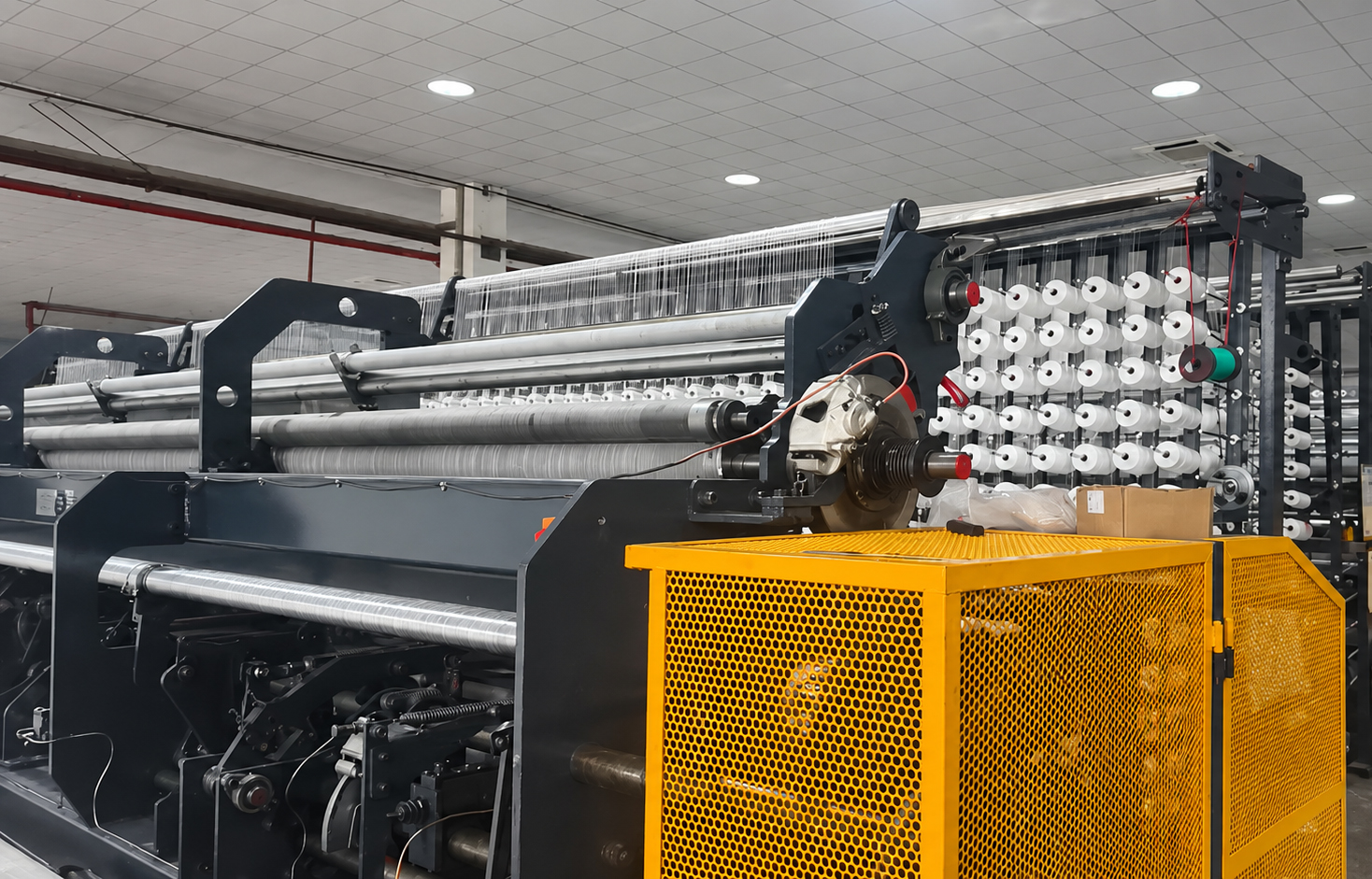
Polyester netting has low water absorption, so it doesn’t become significantly heavier when soaked for long periods. It also offers good chemical resistance, making it suitable for both freshwater and seawater. It is lightweight, easy to install and replace, and its overall cost is acceptable for most customers, making it a practical choice for many standard cage farming setups.
The main drawbacks are that its strength, softness, and anti‑fouling performance are heavily influenced by the mesh structure, weaving method, and raw material quality. If the specifications are not carefully selected, it may deform or wear under strong currents or sustained tension.
Best for: Farming scenarios where maintaining cage shape is critical – inshore cages, long‑term fixed cages, and larger‑size cages.
Not ideal for: Situations where very soft netting is needed to protect delicate fish.
HDPE / PE Netting
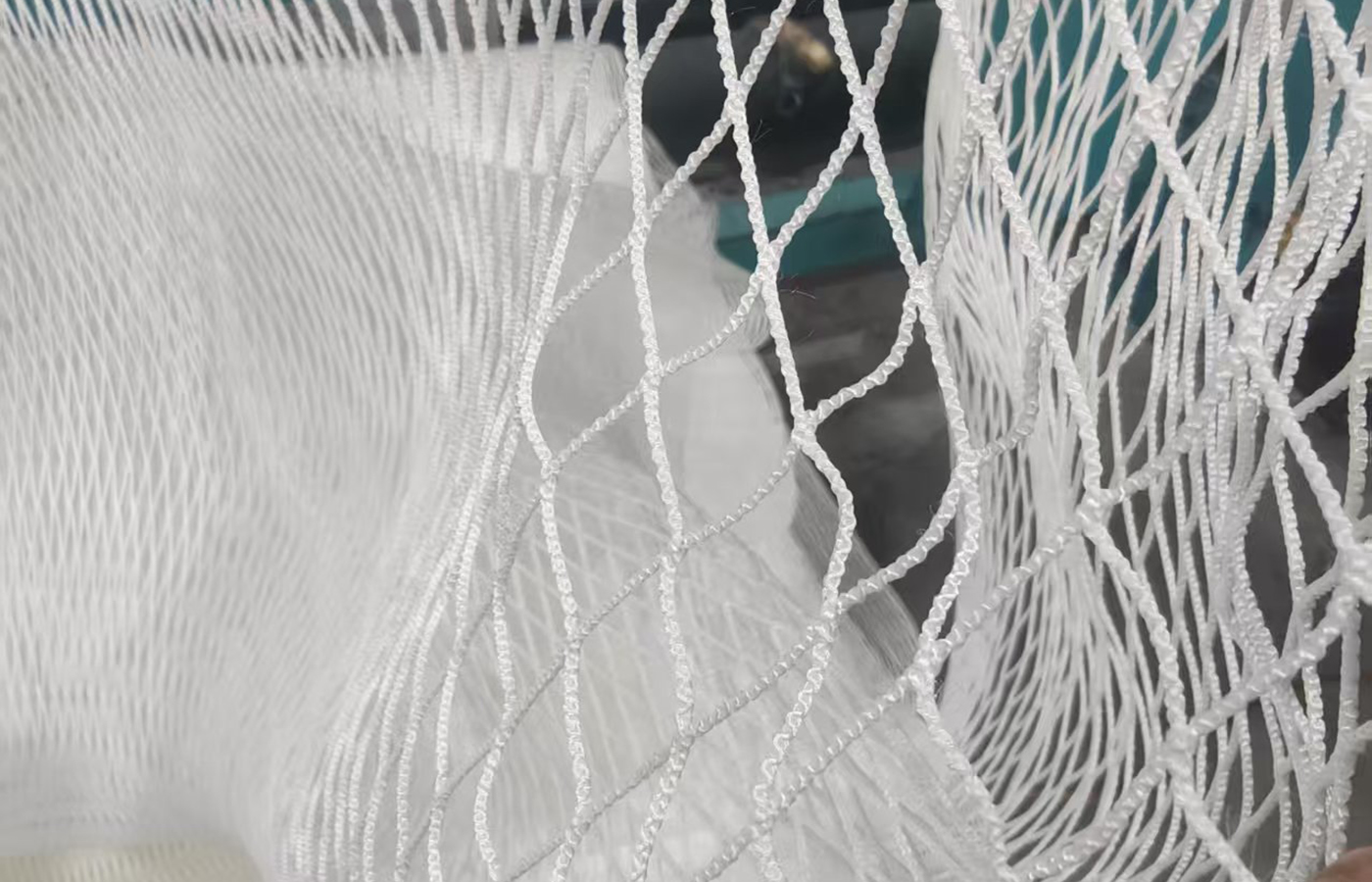
HDPE or PE netting also has very low water absorption, so it does not get heavy when soaked. It resists chemical corrosion well and is suitable for both freshwater and seawater. Its light weight makes installation and replacement easy, and the overall cost is generally quite affordable, which is why it is a popular choice for many routine cage projects.
But its strength, softness, and anti‑fouling ability depend greatly on the mesh construction, braiding method, and raw material grade. If the wrong specifications are chosen, it may deform or wear out under strong currents or long‑term tension.
Best for: Ordinary freshwater farming, lake and reservoir operations, and projects with tight cost control.
Not ideal for: Strong currents, deep‑sea offshore farms, or high‑density stocking where extra strength is required.
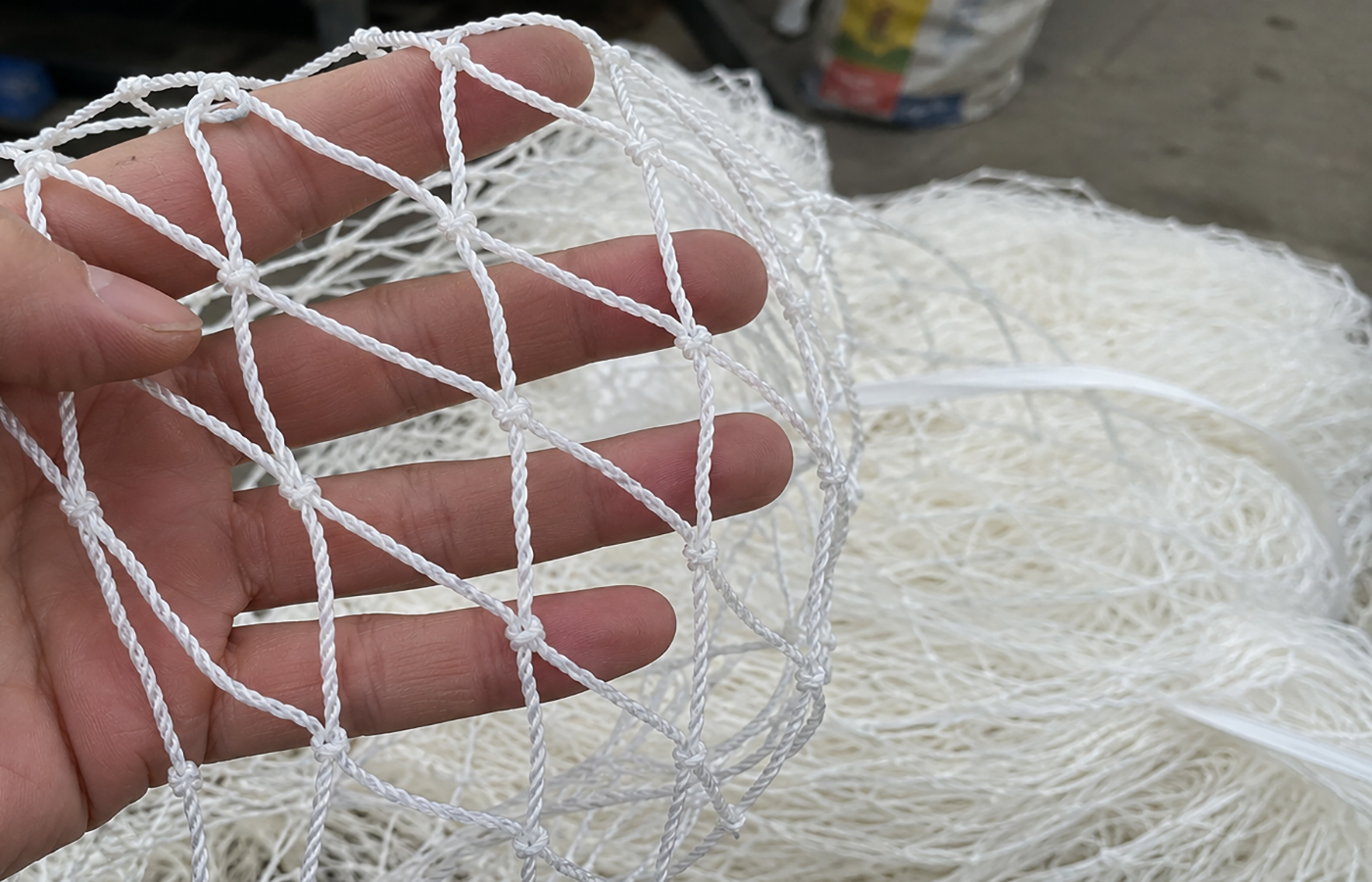
UHMWPE Netting (Ultra‑High Molecular Weight Polyethylene)
UHMWPE netting is a high‑strength, high‑performance material. Its advantages include exceptional strength, very light weight, extremely low water absorption, and outstanding abrasion resistance. It is ideal for deep‑water cages, offshore farming, areas with strong currents, and high‑value fish species. Because it provides high strength even with a smaller diameter, it reduces flow resistance and improves water exchange inside the cage.
The clear downside is the cost – it is significantly more expensive than nylon, PE, and PET netting, which requires a higher budget. It is generally more suitable for premium aquaculture projects or applications where safety and long‑term durability are top priorities.
Best for: Deep‑water cages, offshore operations, high‑current areas, and high‑value species.
Not ideal for: Ordinary farms with limited budgets.
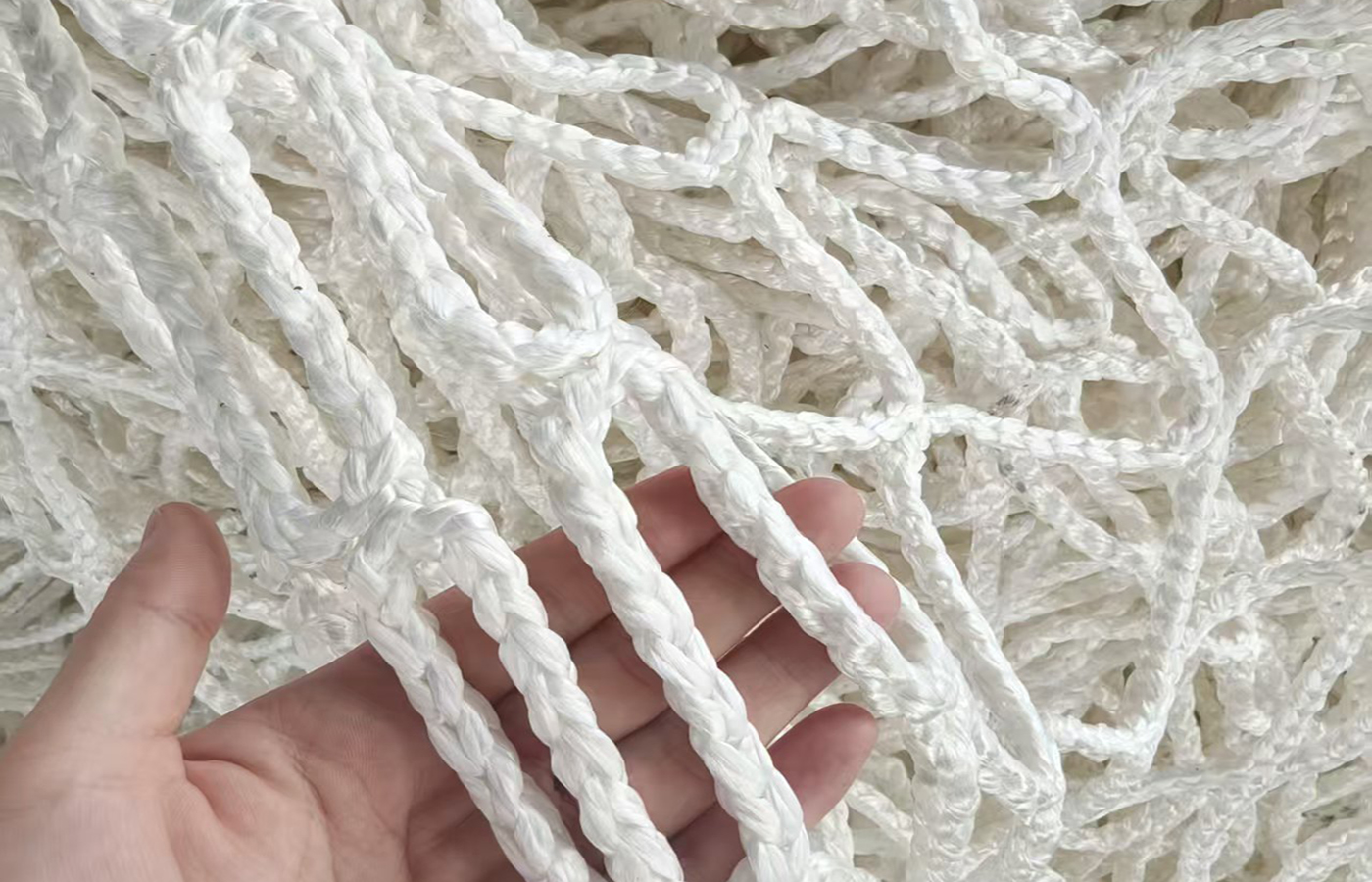
Tell us your situation, and we’ll help you choose the right one
There is no single “best” netting material – only the one that best fits your specific needs. Just share three pieces of information with us:
1. Your farming environment: seawater or freshwater? Water depth? Wave exposure?
2. The fish species and approximate size.
3. How long you expect the netting to last (two years, five years, or ten years plus)?
Based on your actual conditions, we will recommend the right mesh size, twine diameter, panel dimensions, and anti‑fouling options – and provide a detailed quotation.
Contact us today and stop paying for wrong choices.
We are not only a product manufacturer, also a solution provider, whether you have a Question or Request For Quotations, we're here to help.