WhatApp
+86-15522676451WhatApp
+86-15522676451
Beneath the intricate river networks of Southeast Asia and the coastlines of its countless islands, a silent battle for water security is waged daily. Here, where average annual temperatures exceed 26°C (79°F) and humidity consistently hovers around 80%, the combined assault of seawater intrusion and complex geology poses a severe test for every pipe buried underground. Traditional materials often succumb within years to rust perforation and screen failure, while an “invisible line of defense” built from high-performance PVC is emerging as the critical answer—engineered through scientific adaptation to ensure the long-term, reliable operation of water wells across the region.
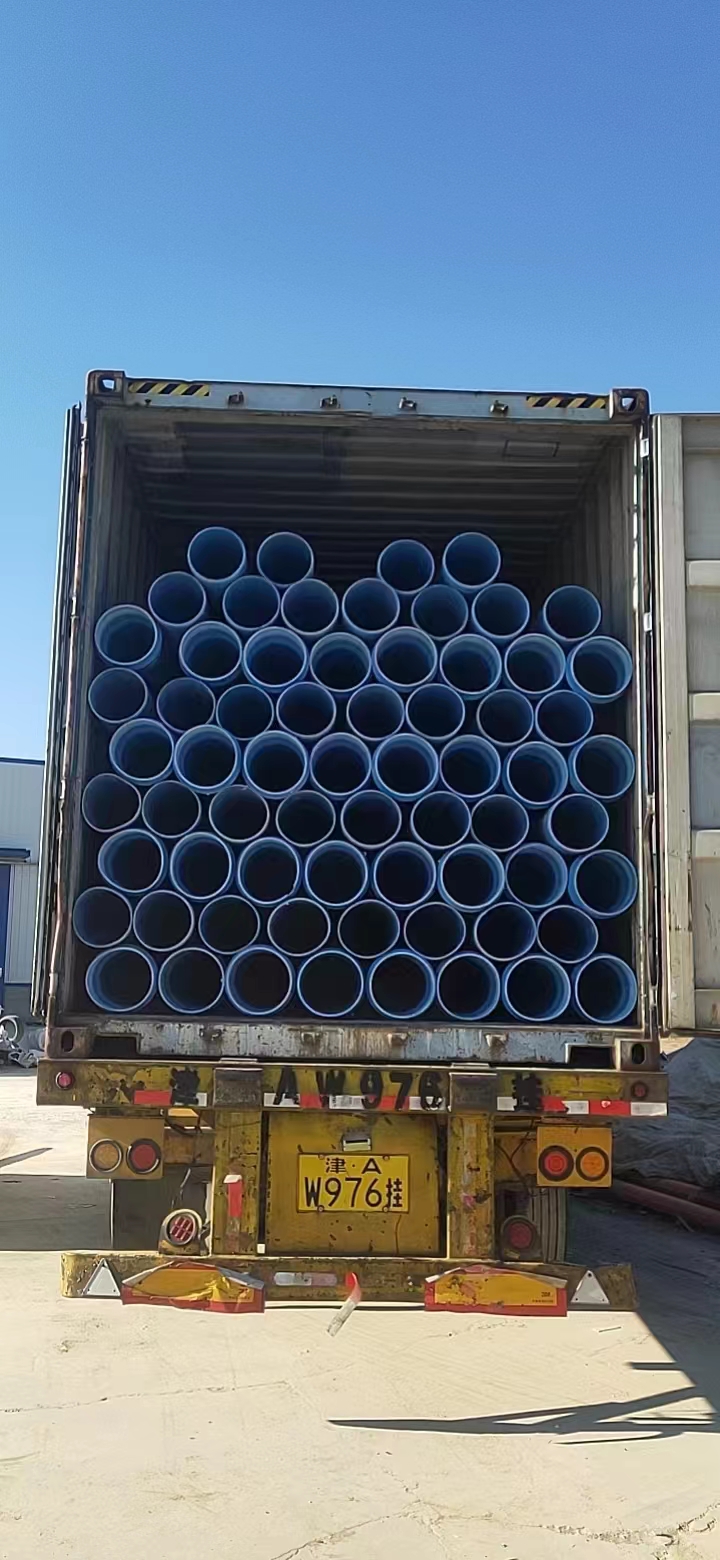
The Triple Challenge: Siege by Humidity, Salinity, and Soft Soil
*The Invisible Killer: Corrosion:Along thousands of kilometers of coastline, seawater intrusion leads to soaring chloride ion concentrations in groundwater, creating a highly corrosive environment. The corrosion rate of traditional metal pipes accelerates exponentially here, compromising water quality and potentially causing total well failure due to localized perforation. Even inland, frequent rainfall and specific soil chemistry continuously accelerate material degradation.
*The Complex Labyrinth of Geology: From the deep, soft alluvial layers of the Mekong Delta to the porous volcanic rock formations of island regions, geological conditions are extremely diverse. Loose sand layers and fine silt demand exceptionally precise filtration from screen pipes—they must allow free water passage while blocking over 99% of formation sand. An incorrect screen slot design can lead to a well being completely silted up within months.
*The Practical Balance of Efficiency and Cost: Rapidly expanding agricultural plantations, dense residential areas, and urgent disaster preparedness needs require well drilling projects to be efficient, economical, and successful on the first attempt. Protracted construction times, high long-term maintenance costs, or frequent failures are untenable for any project owner.
The Scientific Solution of PVC Well Pipes: An Engineering Material Born for the Tropics:Confronting these challenges, modern engineered PVC well pipe systems do not merely endure; they provide an active solution through inherent advantages in material science and structural design.
First Line of Defense: Innate Immunity to Corrosion
PVC (Polyvinyl Chloride) is a highly inert polymer whose chemical bond structure grants it natural resistance to electrochemical corrosion and most acids, alkalis, and salts. In the same tropical, high-chloride environment, the corrosion resistance of high-quality PVC well pipes is hundreds of times greater than that of ordinary carbon steel, and requires no cathodic protection. This means that for a civilian well in a seawater intrusion zone, using PVC casing can safely extend the design life from 5-8 years for metal pipes to over 50 years, fundamentally eliminating secondary water pollution and structural well risks due to pipe corrosion. Its mirror-smooth inner wall reduces flow resistance and effectively inhibits bacterial and algal adhesion, maintaining long-term water conveyance efficiency and hygiene.
Second Line of Defense: The Precision “Filter” for Complex Formations.
For Southeast Asia’s variable strata, the strength of PVC screen pipes lies in their unmatched design flexibility and manufacturing precision. Using computer-controlled laser cutting or precision milling, uniform screen slots as narrow as 0.3mm can be created with a tolerance of ±0.05mm. Engineers can precisely match the slot width to the grain size distribution of formation sand samples obtained during preliminary drilling.
*For fine sand/silt layers: Narrow slots combined with outer wraps of multi-layer, graded filter mesh provide deep-bed filtration, ensuring clear, sand-free water.
*For coarse sand/gravel layers: Wider slots can be used to maximize water inflow efficiency.
Third Line of Defense: Lightweight & Rapid Response.
PVC’s specific gravity is only about 1.4, roughly one-fifth that of steel. This property offers revolutionary advantages in soft soil, remote islands, or jungle areas:
*Drastically Reduced Transport & Installation Costs: Heavy lifting equipment is often unnecessary; pipes can be installed using light machinery or manual labor.
*Doubled Construction Efficiency: Standardized bell-and-spigot solvent cement or threaded connections allow a several dozen-meter deep string to be assembled onsite in just hours.
*Emergency Water Supply Capability: Modular PVC well systems can be deployed rapidly to provide critical water supply in response to floods, droughts, or other disasters.
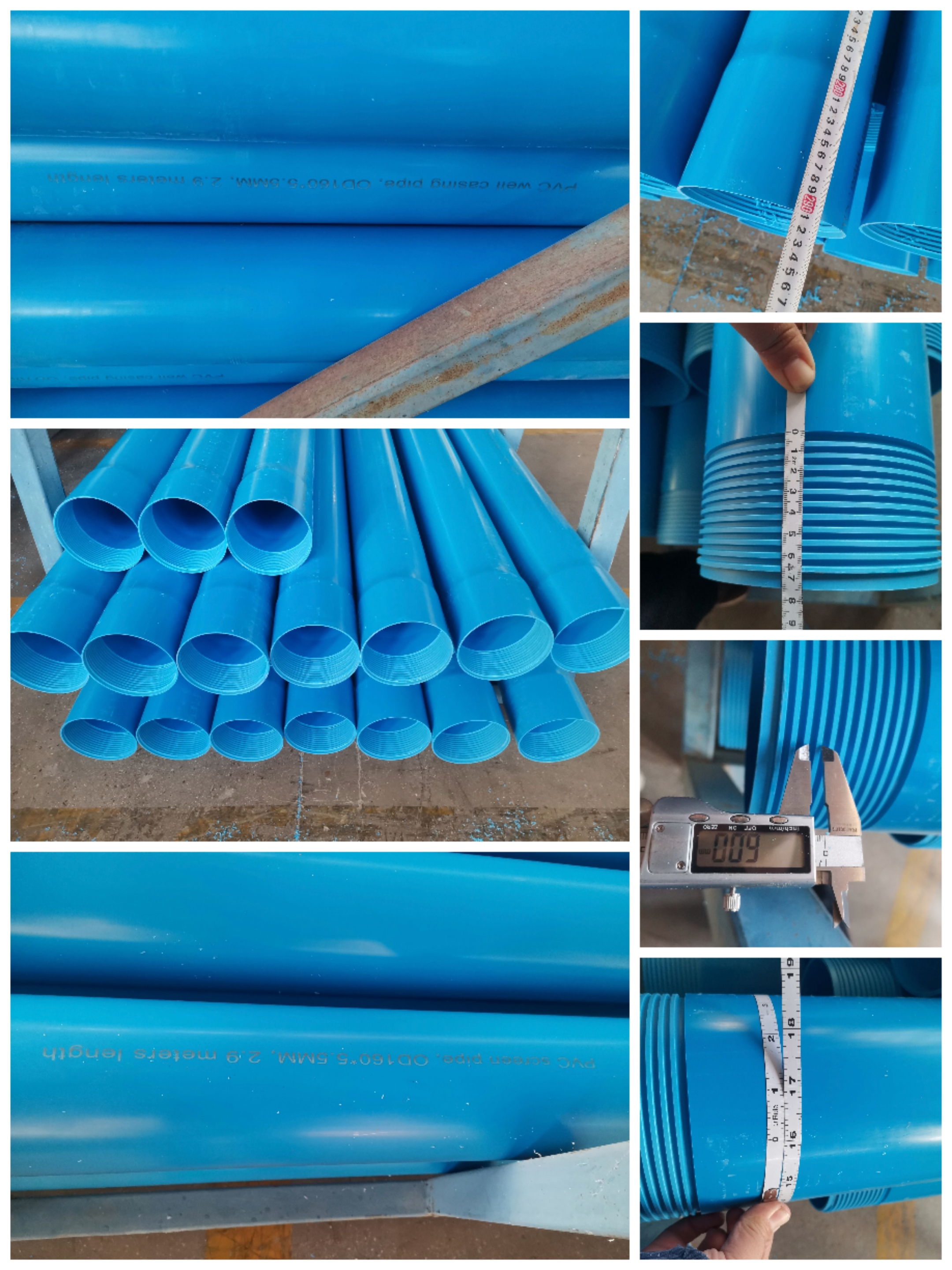
More Than a Pipe, An Investment in a Sustainable Water Future
In Southeast Asia, choosing PVC well pipes is more than selecting a cost-effective material. It is choosing durability against time and corrosion, precision to adapt to complex geology, and reliability to ensure long-term water security for communities and agriculture. This “invisible line of defense” buried underground silently guards precious water resources, ensuring every well becomes a reliable lifeline, benefitting present and future generations.
We provide a full range of PVC well pipe products engineered for the harsh tropical environment, backed by project experience across multiple Southeast Asian countries. We offer complete solutions, from pre-project technical consultation and customized product design to installation support.
We are not only a product manufacturer, also a solution provider, whether you have a Question or Request For Quotations, we're here to help.