WhatApp
+86-15522676451WhatApp
+86-15522676451
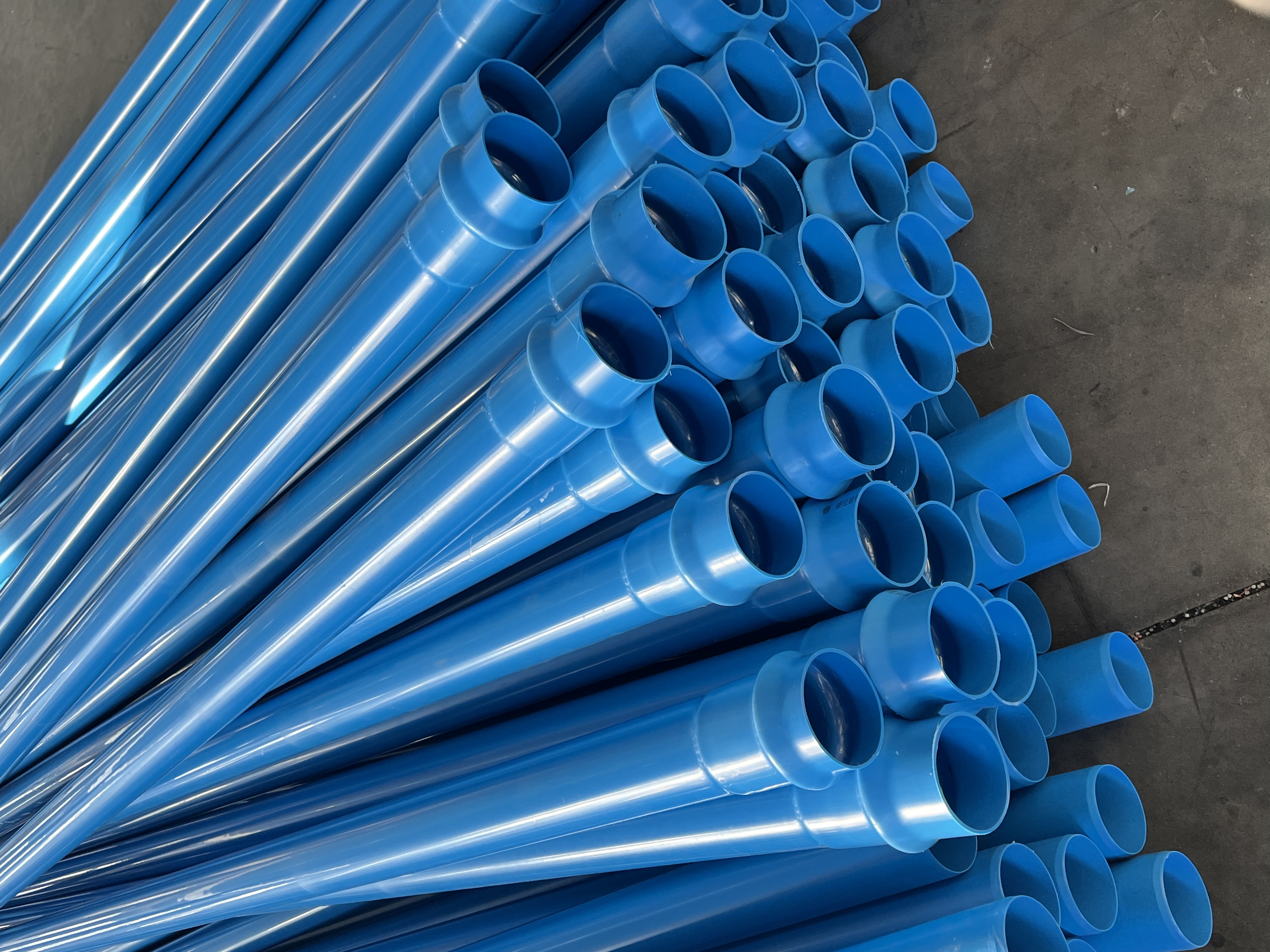
In the vast world of pipeline engineering, the plastic pipe sector is undergoing a quiet revolution. Among them, PVC-O (Biaxially Oriented Polyvinyl Chloride) pipe is redefining the performance standards for water transmission pipelines through its groundbreaking materials science and engineering design. It is not a simple improvement on traditional PVC but a fundamental leap forward, starting from its microscopic molecular structure, hailed as an outstanding representative of the “next generation of high-performance plastic pipes.”
I.Core Technology: A Molecular Revolution from Disorder to Oriented Alignment
The exceptional performance of PVC-O pipes stems from their unique “biaxial orientation” manufacturing process. Under strictly controlled conditions, this process physically stretches and realigns the molecules of an extruded PVC-U (unplasticized polyvinyl chloride) pipe blank simultaneously in both the axial (length) and radial (circumferential) directions.
Microstructural Transformation, Performance Leap: This process is akin to straightening and weaving randomly piled cotton fibers into a highly ordered and tough mesh. The polymer chains become highly aligned along the direction of force, eliminating micro-defects and dramatically increasing the material’s crystallinity and density. The result is a “qualitative” breakthrough in mechanical properties while retaining all the inherent advantages of PVC, such as corrosion resistance, scaling resistance, and non-toxicity.
II. Key Characteristics: Five Disruptive Advantages Rooted in Molecular Structure
This reorganization at the molecular level endows PVC-O pipes with a series of superior properties that surpass traditional plastic and even some metal pipes:
*High Strength and Exceptional Toughness: This is its most notable hallmark. Biaxial orientation leads to a geometric increase in material strength, particularly impact strength and fatigue resistance. It can easily withstand high working pressures, water hammer shock, and external loads, performing excellently even in low-temperature environments, completely changing the perception of plastic pipes as “brittle.”
*Lightweight and Energy Efficient: To achieve the same or even higher pressure ratings, the wall thickness of PVC-O pipes can be reduced by 30%-50% compared to traditional PVC-U pipes. This translates to significantly lower weight, saving raw materials and substantially reducing the total cost and energy consumption associated with transportation, handling, and installation, making construction quicker and more efficient.
*Excellent Crack Resistance: The reinforced molecular network provides outstanding resistance to crack initiation and propagation. PVC-O offers top-tier resistance to the dangerous phenomenon of “rapid crack propagation” in pipeline networks, ensuring long-term system safety and integrity with high reliability.
*Superior Fluid Transport Capacity: Thinner walls allow for a larger effective internal diameter. Its smooth inner surface (inherited from PVC) combined with the increased bore significantly reduces fluid flow friction, resulting in excellent hydraulic performance and substantial long-term energy savings for pumping.
*Long Service Life and Sustainability: Its high strength contributes to a longer design life and higher safety margins. Its low carbon footprint throughout its lifecycle (from production and transport to operation and maintenance) and recyclability make it an advanced water conveyance solution aligned with green, sustainable development principles.
III. Applications and Prospects: A New Engine Driving Water System Upgrades
With these unparalleled comprehensive advantages, PVC-O pipes are rapidly becoming the new preferred choice in key areas globally:
*Municipal Water Supply and Drainage Mains: High pressure rating, long lifespan, and low leakage rates make it an optimal choice for upgrading urban “lifelines.”
*Large-Scale Water Conservancy Projects and Irrigation: Lightweight for easy long-distance laying, corrosion-resistant for various soil conditions.
*Industrial Water Conveyance and Mining: Impact and fatigue resistance suitable for demanding operating conditions.
*Trenchless Rehabilitation and Renewal: Its high toughness and relatively smaller outer diameter make it ideal for lining pipes in slip-lining rehabilitation methods.
Conclusion
PVC-O pipe is the intellectual achievement of re-“weaving” material at the molecular level. It perfectly embodies the engineering philosophy of “thinner, lighter, stronger,” pushing the performance boundaries of plastic pipes to unprecedented heights. It is not merely a product but represents an advanced approach to infrastructure challenges through materials science innovation. In pursuing multiple goals—ensuring water quality safety, improving transport efficiency, reducing total system costs, and promoting sustainable development—PVC-O is steadily rising to become a mainstay force shaping the future landscape of water transmission pipelines for the next century.
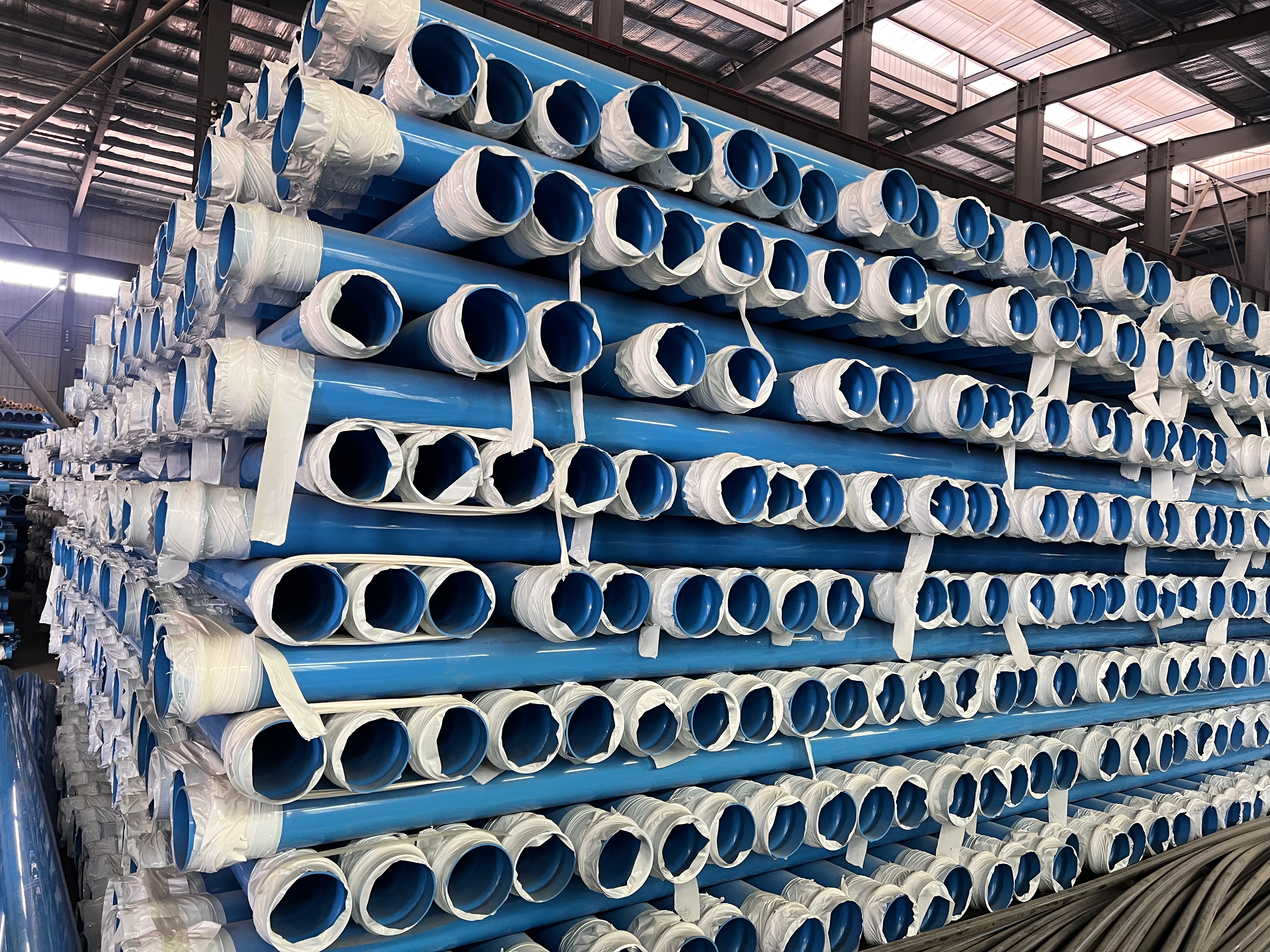
We are not only a product manufacturer, also a solution provider, whether you have a Question or Request For Quotations, we're here to help.